

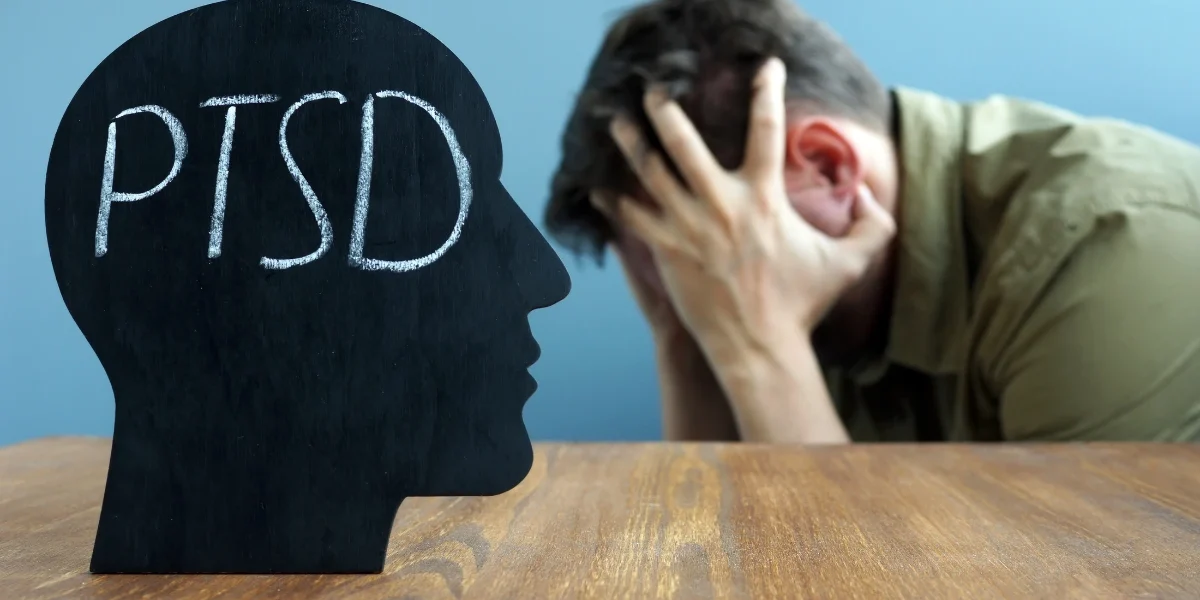
PTSD symptoms fall into four recognized symptom clusters – intrusion, avoidance, negative changes in thinking and mood, and changes in arousal and reactivity. Within those clusters, the symptoms people search for most often (flashbacks, nightmares, hypervigilance, emotional numbness, and irritability among them) add up to roughly 17 recognizable signs, though the exact count depends on which diagnostic version you’re looking at.
Here’s where it gets more nuanced. The “17 symptoms” phrasing traces back to an older diagnostic model, while the current standard lists 20 specific criteria. No one experiences all of them, and two people with the same diagnosis can look almost nothing alike day to day. What actually matters is the pattern, not the number.
If you’re reading this because something in your life still doesn’t feel settled after a hard event, a Lumera Healthcare trauma specialist can walk through what you’re noticing with you rather than handing you a checklist. Lumera offers trauma-informed therapy, including EMDR, at locations in Paducah, Murray, and Mayfield, plus telehealth for anyone who’d rather start that conversation from home.
What Is PTSD, and Why Do Symptoms Vary by Person?
PTSD is a stress-related condition that can develop after living through or witnessing a traumatic event. Not everyone who goes through trauma develops it, and there’s no single “correct” way it shows up.
Two people can survive the same car accident and end up with different symptoms entirely. One might have nightmares and jumpiness. The other might feel emotionally flat and pull away from people they love. Both reactions are recognized parts of PTSD.
How Are PTSD Symptoms Grouped Clinically?
Mental health professionals group PTSD symptoms into four clusters. A diagnosis requires symptoms from each cluster, lasting more than a month, that interfere with daily life.
Intrusion Symptoms
Intrusion symptoms are the mind replaying the trauma without being asked to.
- Unwanted, distressing memories of the event that show up uninvited
- Nightmares connected to the trauma
- Flashbacks, where it feels like the event is happening again
- Intense distress when something brings the event to mind
- Physical reactions (racing heart, sweating) to reminders of the event
Avoidance Symptoms
Avoidance is the effort to keep distance from anything connected to what happened.
- Avoiding thoughts or feelings tied to the trauma
- Avoiding people, places, or situations that serve as reminders
Negative Changes in Thinking and Mood
This cluster covers the internal shift many trauma survivors describe, where the world and their place in it starts to feel different.
- Trouble remembering key details of the event
- Persistent negative beliefs about oneself, others, or the world
- Distorted blame, toward oneself or someone else, for what happened
- A constant negative emotional state (fear, guilt, shame)
- Losing interest in activities that used to matter
- Feeling detached or cut off from other people
- Difficulty feeling positive emotions like happiness or love
Changes in Arousal and Reactivity
This cluster is about a nervous system that’s stuck in a heightened state.
- Irritability or angry outbursts, often with little warning
- Reckless or self-destructive behavior
- Hypervigilance, or constantly scanning for danger
- An exaggerated startle response to noise or movement
- Trouble concentrating
- Sleep problems, including trouble falling or staying asleep
Why Do Some Lists Say 17 Symptoms and Others Say 20?
Both numbers are accurate, just from different points in time. The original PTSD Checklist was built around an earlier diagnostic model that grouped symptoms into three clusters totaling 17 items.
When the diagnostic criteria were revised in 2013, PTSD was restructured into the four clusters covered above, and the total grew to 20 specific symptoms. The “17 symptoms” search phrase never fully caught up to that update, which is why it’s still the more common way people look for this information, even though the current clinical count is higher.
In practical terms, the difference between 17 and 20 rarely changes anything for the person living with the symptoms. What matters more is whether the symptoms are lasting, disruptive, and connected to a specific traumatic event.
How Long Do Symptoms Last Before It’s Considered a Diagnosis?
A PTSD diagnosis generally requires symptoms to last more than a month and to interfere with work, relationships, or daily functioning.
Symptoms often start within the first three months after a traumatic event, though delayed onset is also recognized, sometimes not surfacing until six months or later. For some people, symptoms fade within a matter of months. For others, without treatment, they can persist for years.
When Should You Talk to Someone About These Symptoms?
If any of the symptoms above have lasted more than a few weeks and are making daily life harder, it’s worth talking to a professional. You don’t need to meet every criterion on a checklist to justify getting support.
This is especially true for people managing a lot at once (caring for kids, aging parents, or both) who may not have noticed how long they’ve been running on empty. Fatigue, irritability, and sleep trouble are easy to write off as ordinary stress until they’ve quietly become something more.
What Treatment Options Actually Help With PTSD?
PTSD is treatable, and most people improve with the right combination of care.
- Cognitive Behavioral Therapy (CBT), which addresses the thought patterns that keep symptoms active
- Eye Movement Desensitization and Reprocessing (EMDR), which helps the brain process traumatic memories differently
- Exposure-based therapy, which gradually reduces the intensity of trauma-related fear
- Medication, in some cases, to manage specific symptoms like anxiety, depression, or sleep disruption
Lumera’s clinicians, including EMDR-trained therapists, look at the whole picture (family situation, prior treatment history, and what’s realistic given work and caregiving demands) rather than applying one approach to everyone.
Psychiatric treatments, including medications and therapy, may involve risks and side effects. This information is provided for outreach and awareness purposes only and does not constitute medical advice. Licensed clinicians and medical providers conduct evidence-based assessments to determine the most appropriate individualized treatment plan.
You Deserve to Feel Like Yourself Again
You don’t need to match every symptom on this list to know something changed after that event. What matters is noticing a pattern that’s lasted, made daily life harder, and hasn’t eased on its own, no matter how much time has passed.
That’s the moment worth acting on. Not more research, not another checklist, but an actual conversation with someone trained to help you make sense of what you’re carrying.
Lumera Healthcare’s trauma specialists, including EMDR-trained clinicians, are local to Paducah, Murray, and Mayfield, with telehealth available if you’re not ready to walk through a door yet. Reaching out doesn’t mean something is wrong with you. It means you’re ready to start feeling steady again. Contact us today.
Frequently Asked Questions
What are the 17 symptoms of PTSD?
The 17 symptoms of PTSD refer to an older diagnostic checklist covering intrusive memories, nightmares, flashbacks, avoidance behaviors, emotional numbness, negative beliefs, irritability, hypervigilance, and related signs, grouped at the time into three symptom clusters instead of the four used today.
Is PTSD 17 or 20 symptoms?
PTSD is currently defined by 20 specific symptoms across four clusters under the diagnostic manual in use today, though the 17-symptom phrasing from an earlier version is still the more commonly searched term.
What are the four symptom clusters of PTSD?
The four symptom clusters of PTSD are intrusion, avoidance, negative changes in thinking and mood, and changes in arousal and reactivity, with a diagnosis requiring symptoms from each category.
How soon do PTSD symptoms appear after a traumatic event?
PTSD symptoms usually appear within three months of a traumatic event, although delayed-onset PTSD means symptoms can also emerge six months or more afterward.
Can PTSD symptoms go away without treatment?
PTSD symptoms can lessen over time for some people without formal treatment, but for many, symptoms persist or worsen without professional support, which is why lasting or disruptive symptoms are worth addressing directly.
What is the difference between PTSD and normal stress after a hard event?
The difference between PTSD and normal stress after a hard event comes down to duration and impact. Normal stress responses tend to ease within weeks, while PTSD symptoms persist beyond a month and interfere with daily functioning.
Where can I get help for PTSD symptoms in Western Kentucky?
Help for PTSD symptoms in Western Kentucky is available through Lumera Healthcare, which offers trauma-informed therapy and EMDR at locations in Paducah, Murray, and Mayfield, along with telehealth appointments.
Disclaimer
The information on this blog is for general educational purposes only and does not constitute medical/mental health advice, diagnosis, or treatment. It does not create a clinician-patient relationship with Lumera Healthcare. Do not use this information to make decisions regarding medication or treatment; always consult a qualified provider. External data is not guaranteed to be accurate.
Emergency: If you are in a crisis, call 911 or the 988 Suicide & Crisis Lifeline immediately.
By reading this blog, you agree that Lumera Healthcare is not responsible for any actions taken based on this content.